I have always been fascinated by the power of words and the ability of gifted writers to ignite the imagination, fuel the intellect and feed the soul. Reading is the supreme indulgence and perhaps connects us most intimately with what it is to be human, traversing emotions and the very history of mankind.
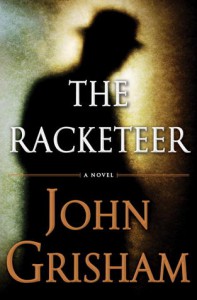
I have come to expect a polished story from JG, pacy and with a concise opening, which hooks the reader from the off. ‘The Racketeer’ fits this pattern and yet in my view it is not one of his best. The plot seemed more contrived than usual and the characters less plausible somehow. I do not regret reading it, in fact I read it voraciously, but even as an erstwhile fan, this book will not be near the top of my favourite Grisham’s.
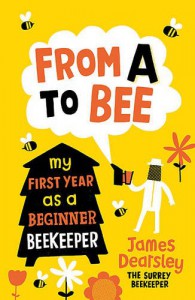
A charming journal following the exploits of wannabee bee-keeper James Dearsley, in his first year as a novice. The book is full of ‘well I didn’t know that’ moments and offers some interesting insights into the trials and tribulations of establishing successful hives. Of course, it is a timely introduction too, as there is much handwringing around the international decline in the bee population and the potential impact on man, from such a threat to bio-diversity. I suspect readers are likely to include some people weighing the possibility of enlisting into the beekeeper ranks and though the book is not a manual, it does offer some pros and cons for what might seem an idyllic notion. Intriguingly the author does also draw parallels with that other seemingly eccentric British pastime of morris-dancing, complete with the need for a customary costume. Still, he makes a very compelling case for the hidden community of enthusiasts and a rewarding way to get back in touch with nature. For those wishing to take their exploration of bee-keeping further there is also a useful list of additional resources in the back. One for the curious to crawl over.
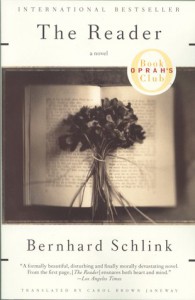
This exceptional novel explores the complex relationship between Hanna and Michael against a backdrop of post war Germany and the differing impact of guilt for their respective generations. The tale of the central relationship is sensitively told and the difficult context is examined through their respective experiences. The temptation for scapegoating, to absolve the ‘guilt’ of the many on the shoulders of a few, also resonates with more contemporary social upheavals. The issue of literacy simply accentuates the disadvantage faced by those outsiders to the mainstream culture. A thoroughly absorbing read.
Roger McGough is truly a national treasure and this collection of disparate poems is beautifully crafted. Young to old, good to know there is always the capacity for awkwardness. McGough helps us to see the funny side of the roller-coaster that is the human condition.
Not all sequels manage to maintain the same quality as the original book, but in this case, Robert Graves moves the story of Claudius onto his reign as emperor with supreme aplomb. The quality of the writing is equal to the epic tale and retains a fascination with the crumbling grandeur of Rome, while sealing Graves reputation as a great writer.
I came late to this classic book, but wanted to check out how accurately the BBC dramatization reflected Jane Austen’s generally acclaimed masterpiece. Truth is the TV portrayal was accurate, but the nuances of the caustic exchanges between the key characters, the complexities of the relationships and the social commentary were utterly absorbing in the written form. As is often the case, even the best of films often lose something in translation, possibly the authenticity that comes from the author’s ‘voice’. I was also keen to see whether Pride & Prejudice lived up to the hype. Answer – absolutely yes! No wonder it appears in most lists of top 100 books ever written. That it has withstood the test of time, is testament to a great book, but it’s also an absolute treat!
Selected on the list for World Book Night 2013, I picked up the e-edition, complete with alternative ending, which Blackman wrote for the occasion. The story centres on teenagers Callum and Sephie, growing up in a society split along racial faultlines and the experiences of their respective families. It is a romantic/tragic tale of young love stifled by societal tensions, which the author explores sensitively. The first in a series of novels, the plotline was developed well and with pace. A very enjoyable read.
A chronicle of Porterhouse College, Cambridge, the acidly-Sharpe humour served up by the author is as sumptuous as a fellows feast. Dripping with hysterical characters, the book plots the chaotic attempts to spare the ancient institution from financial ruin, led by a coterie of dysfunctional men marooned in a glorious past, which is slowly and painfully being eroded. The Master (Skullion), formerly the Head Porter, the Dean, Senior Tutor, Bursar and Praelector conspire and scheme and cross metaphorical swords with a media magnate and gangster for the greater good of Porterhouse. The Machiavellian plot twists unstintingly with laugh-out-loud moments sprinkled throughout. Tom Sharpe is rightly regarded as a great post-Waugh humorist and guardian of the national funny bone. Very highly recommended.
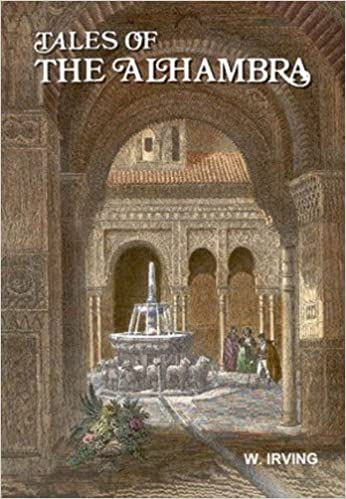
Extracts from Washington’s book are used in the audio guide for contemporary visitors to the Alhambra and it was the emotive prose which inspired me to seek out a copy. The grandeur of the palace complex is beautifully reflected in the author’s description and related legends and alludes to the almost mystical influences of Spanish and Moorish inhabitants.
I am generally a fan of John Grisham, whose books can be relied upon to be well paced, and tap-in to a common curiosity about courtroom dramas. Grisham also seems to often offer a critique of the US legal system, which makes for interesting observations, albeit woven into storylines that frequently hinge on broad social themes, about which he also provides compelling commentary. In this instance the fault-lines between black and white Americans in the southern US forms the backdrop. It is also worth reflecting on the fact that this was Grisham’s first novel. By his own admission there are elements of autobiography here and it is possible to discern a certain rawness to his talent that perhaps becomes polished in the following 20+ books. In “A Time to Kill” though, there is a simmering exploration of justice weighed against an understandable and perhaps instinctive desire for revenge, which is ultimately tested before a jury of fellow citizens. By the end I’m sure most of us know which way we’d vote.



How interesting! Both of my grandfathers were trawlermen in the North Sea. The shipping forecast was essential listening! One for…